


Halloween is the season for haunted houses, creepy noises, and things that go bump in the night. But on a busy shop floor, the scariest sound might be a forklift going bump in the middle of the workday. A sudden collision with a rack, column, machine, wall, or pedestrian area can turn an ordinary shift into a real-life workplace nightmare.
Forklifts are essential for moving materials and keeping production on schedule, but they operate in environments filled with blind corners, narrow aisles, changing loads, foot traffic, and expensive equipment. Even an experienced driver can misjudge a turn, lose sight of an obstacle, or react to something unexpected. When that happens, the consequences can be frightening for everyone involved.
The Human Side of a Forklift Accident
For the forklift driver, an accident can create immediate physical danger and lasting stress. Even when no one is seriously injured, the driver may replay the incident, question every decision, and feel the weight of knowing a coworker could have been hurt. Training matters, awareness matters, and careful operation matters, but drivers also deserve a facility designed to help them succeed.
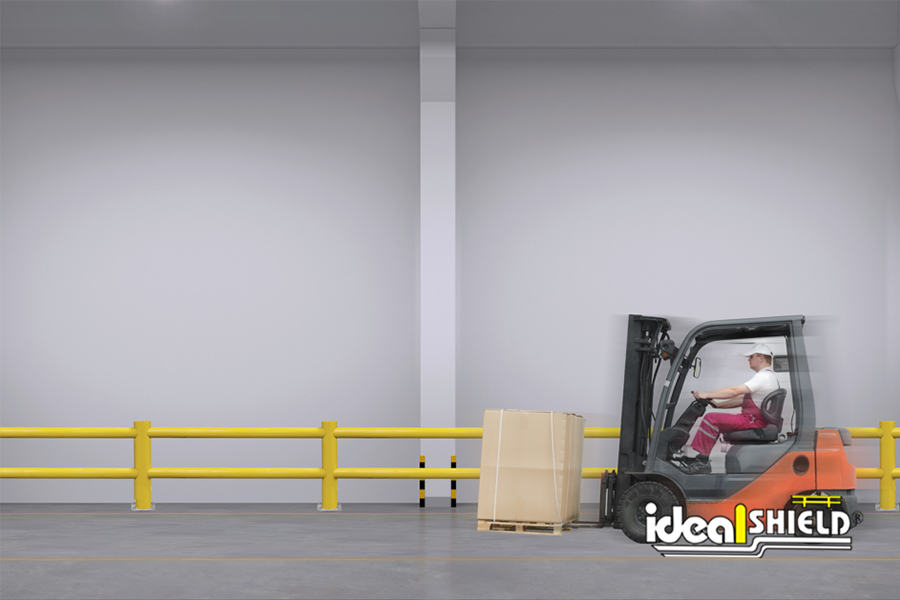
Shop workers face the same danger from the other side of the steering wheel. Employees walking between stations, picking orders, checking inventory, or maintaining equipment may have only seconds to react to a moving forklift. Clearly defined pedestrian zones and substantial physical barriers can help separate people from vehicle traffic, reducing the chance that one wrong turn becomes a haunting memory.
When One Collision Spooks the Entire Operation
A forklift accident rarely affects only the forklift. Damaged equipment, interrupted production, blocked aisles, investigations, repairs, and cleanup can bring an operation to a standstill. Orders may be delayed, labor may be redirected, and managers may spend valuable time solving a preventable problem. The real cost is not just the dented steel or broken concrete, it is the downtime that spreads across the business like fog through a graveyard.
That is why forklift-friendly guarding should be part of the facility plan, not an afterthought. The right guarding helps drivers understand traffic patterns, gives pedestrians visible separation, and places a durable line of defense in front of the assets that keep the business running. It cannot replace training or safe operating procedures, but it can make the environment more forgiving when human error occurs.

Industrial Guardrail that is Built for the Shop Floor
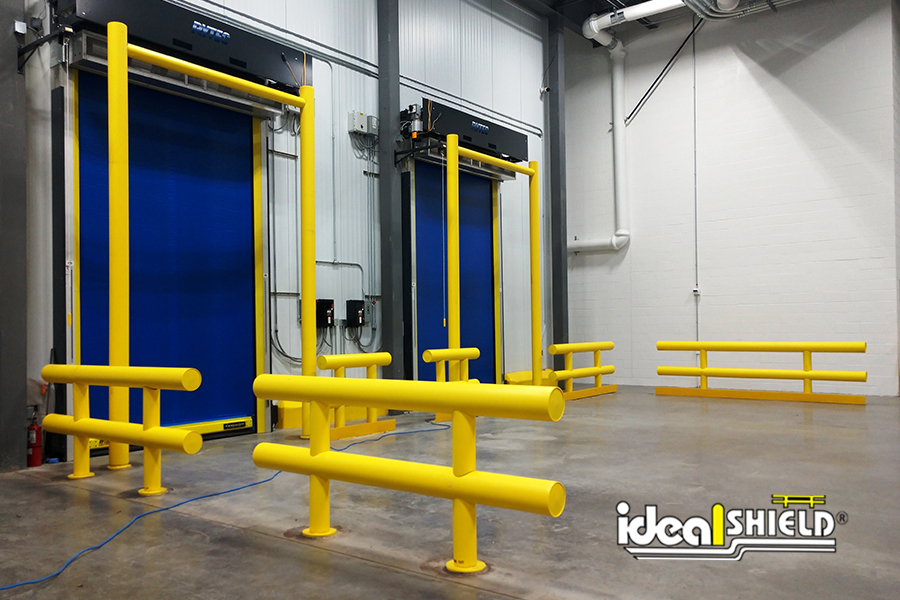
For decades, Ideal Shield has offered different American-made Industrial Guardrail systems for different facility needs, helping businesses protect pedestrian walkways, work cells, machinery, inventory, loading areas, and other high-risk zones. Whether a layout calls for a traditional barrier, a modular configuration, or protection tailored around a specific piece of equipment, the goal remains the same: keep forklifts where they belong and help keep people away from impact zones.
These Ideal Guardrail systems stand out because they are designed for industrial environments where visibility, durability, and practical installation matter. Their bright, highly visible appearance helps drivers recognize protected areas before they get too close. Their rugged, non-welded U.S. steel construction creates a substantial barrier between moving equipment and the people or property behind it. Just as important, multiple system options allow facilities to choose protection that fits the hazard and floorplan instead of forcing one guardrail design into every application.

Do Not Wait for a Frightening Wake-Up Call
The best time to improve forklift safety is before an accident exposes a weak point. Walk the floor. Talk to employees. Look for blind intersections, unprotected equipment, shared pedestrian lanes, vulnerable corners, and areas where forklifts regularly maneuver under pressure. Those are the places where Industrial Guardrail can turn a risk into a clearly defined, protected zone.
A safer facility protects more than equipment. It supports confident forklift drivers, gives shop workers a clearer sense of separation, and helps operations avoid the delays and disruptions that follow an impact. Ideal Shield’s Industrial Guardrail systems provide the visible, durable, forklift-friendly protection modern facilities need to keep work moving.
If you’re a business operator, shop foreman, or safety coordinator looking to add the industry’s most trusted Industrial Guardrail for stopping and limiting forklift accident damage, contact the experienced and knowledgeable sales and engineering team at Ideal Shield today to discuss your needs, learn about the guarding options, and to get a quote on your next project.